

Hoagie Rolls are the rolls we look for when we want thick, two-handed, deliciously filled sandwiches.
These hoagie rolls are perfectly-sized to hold lots of fillings. They are cottony soft and fluffy inside, and have a thin, crisp crust for an easy bite with a pleasant chew.


And what makes these hoagie rolls even more special is that they are made using tangzhong (a roux of flour and water often used in soft Asian breads like Japanese Milk Bread) which will help keep your rolls soft, fluffy and moist for days.
for some helpful tips before you begin, click here.
Makes 6 7-inch hoagie rolls.
tangzhong:
- 1/2 cup (120 ml) water
- 3 tablespoons (22.5 g) bread flour
dough:
- 2 1/4 teaspoons (1 packet or 7 g) active dry yeast
- 1 1/4 teaspoons (15 g) granulated sugar
- 1 cup (240 ml) water
- 3 3/4 cups (450 g) bread flour
- 1/2 cup (62 g) full-fat powdered milk
- 1 1/2 teaspoons (9 g) fine salt
- 2 tablespoons (30 ml) vegetable oil
1. MAKE THE TANGZHONG.
– In a small pan, over medium-high heat, combine 1/2 cup (120 ml) water and 3 tablespoons (22.5 g) flour for the tangzhong.
– Whisk until thick like pudding, maybe 3 or 4 minutes.
– Pour into a small bowl and refrigerate to cool while gathering the remaining ingredients.
2. ACTIVATE THE YEAST.
– Warm the water to about 110°F (43°C). (Slightly warm to touch.)
– In a small bowl, stir the yeast and sugar into the warm water.
– Let sit for 5 to 10 minutes, until foamy.
3. COMBINE THE INGREDIENTS.
– In a stand mixer bowl, briefly stir together the flour, powdered milk and salt to mix and to remove any large lumps.
– Add the tangzhong, vegetable oil and the foamy yeast mixture.
– Mix with a wooden spoon until the flour is absorbed and a shaggy dough is formed.
4. KNEAD THE DOUGH UNTIL SMOOTH AND ELASTIC.
– With the paddle attachment, knead the dough on medium-high speed (setting #4) for 7 minutes, until the dough pulls away from the sides and bottom of the bowl and gathers in the center. The dough will be a bit sticky, but should also be smooth, springy and elastic enough to stretch thin without tearing. (See TIPS)
5. LET THE DOUGH RISE UNTIL DOUBLE IN VOLUME.
– Scrape the dough into a large, lightly greased bowl.
– With lightly greased fingers, pull up the sides of the dough and fold into the center. Do this a few times to gather the dough into a ball.
– Flip the dough ball so now the top is smooth and greased.
– Cover the dough with plastic wrap and let rise for about 1 hour or until double in size.
6. DIVIDE THE DOUGH INTO 6 PIECES AND SHAPE INTO HOAGIE ROLLS. (See TIPS)
– Scrape the dough onto a lightly floured countertop.
– Divide the dough into 6 equal pieces.
– Shape each piece of dough into a ball, cover with plastic wrap and let rest for 10 minutes.
– Roll out a ball of dough into a rectangle with a rolling pin about 6-inches wide, making sure to roll out any air bubbles.
– Roll from the top down into a snug torpedo. Pinch the seams.
– Place the shaped dough in the slots of a baguette pan or on a parchment paper-lined baking sheet at least 2-inches apart seam-side down. Cover loosely with lightly greased plastic wrap and a tea or kitchen towel.
– Let the dough proof about 40 minutes, or until just about double in size.
7. WHILE PROOFING, PREHEAT THE OVEN TO 425°F (218°C). PLACE THE OVEN RACK IN THE CENTER.
– While proofing the dough, preheat the oven to 425°F (218°C). (Expect the oven to take about 30 minutes to preheat.)
– Place the oven rack in the center position.
– Fill a clean spray bottle with water and set aside.
8. SLASH THE PROOFED LOAVES, SPRAY WITH WATER AND PLACE IN THE OVEN.
– Slash the loaves with a sharp blade down the length of the loaves about 1/4-inch deep. (See TIPS)
– Spray the slashed loaves with water and immediately place in the hot oven.
– Spray the sides and floor of the oven with water and shut the oven door immediately.
9. BAKE FOR 11 to 13 MINUTES OR UNTIL DEEP GOLDEN BROWN.
– Spray water into the oven 3 times during the first 5 minutes of baking.
– After 7 minutes of baking, rotate the pan and turn the oven down to 400°F (204°C).
– Bake for another 4 to 6 minutes or until the bread has become a deep golden brown, sounds hollow when tapped and has an internal temperature of 190°F (88°C).
– Place loaves on a cooling rack.
– If the crust softens after cooling, just place back into a 400°F (204°C) oven for a minute or so until the crust is crispy again.
*****
To store: Keep completely cooled bread in a sealed container or bread bag at room temperature for up to a week.
Or freeze: Wrap securely in at least 2 layers of plastic wrap and freeze for up to a month.
To reheat from frozen: Take the bread out of the plastic wrap. Place each frozen loaf in a sheet of aluminum foil and wrap, folding the edges together to seal. Place in a 400°F (204°C) oven directly on the center rack for 10 to 15 minutes, or until the crust has crisped up.


*****

About this recipe
Hoagie Rolls are for hefty sandwiches. Not delicate, little sandwiches. But big, two-handed, feed-your-face sandwiches.
These hoagie rolls are soft and light, but won’t fall apart or disintegrate in your hands. They have a thin, crisp crust for an easy bite with a pleasant chew. Not a hard crust that is sharp on the roof of your mouth or one that forces out the fillings when bitten into.
What makes these hoagie rolls even better is that they are made using tangzhong.
Tangzhong is a cooked roux of flour and water that is added to bread dough. The addition of tangzhong promotes fluffiness and helps keep the bread soft, light and moist, prolonging its shelf life for days. It is a “secret” ingredient I try to incorporate in all my breads such as my Japanese Milk Bread, Siopao (meat-filled steamed buns), and Pandesal.


TIPS:
Here are 5 helpful TIPS:
1) Some tips about starting your dough:
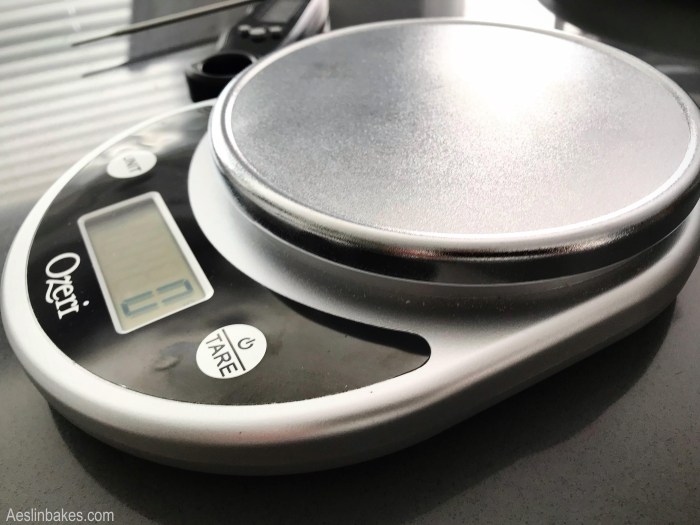
Use a scale, if you have one. Weight measures are more accurate than volume measures.
– While I sometimes find using volume measures more convenient, in baking, weight measures will give more accurate and consistent results. So if you bake regularly, you really should get a scale. (Preferably one that reads ounces and grams.)

Make sure to cool the tangzhong.
– Prepare your tangzhong first and then give it time to cool. If your tangzhong is still too hot when used, it may kill the yeast.

Make sure your yeast is active.
– Yeast must be alive and active for bread dough to rise. You know your yeast is active if it becomes foamy when stirred into the warm water with a little sugar.
– When activating your yeast, make sure the water is just slightly warm to touch, no warmer than 110°F (49°C). If the yeast doesn’t become foamy within 5 to 10 minutes, throw it out and try again.
– Do not let the yeast sit too long after it has become active and foamy. If the activated yeast sits too long, it may become less effective.

2) Some tips about kneading:
Knead until smooth and stretchy.
– Proper kneading is necessary for bread dough to bake into soft, light, fluffy, well-shaped rolls. So knead your dough until it is nice and smooth and elastic enough to stretch thin without tearing.
- The dough should be able to be stretched until almost translucent without breaking or tearing (the “windowpane” test).


- Using the paddle attachment and kneading at a moderately high speed makes kneading this sticky dough until smooth and elastic pretty effortless.
- This dough is soft and sticky. That’s normal. Do not add any extra flour or the bread may become dense and heavy.
If the dough did not pass the windowpane test:
- If the dough did not pass the windowpane test, let it rest for 10 to 20 minutes. Re-test the dough. If the dough still does not pass the windowpane test, knead for 3 minutes then re-test.
- Repeat (rest and knead) until the dough is smooth and elastic enough to pass the windowpane test.
Do not over-knead.
- Knead until the dough passes the windowpane test. But if you start to feel the dough becoming firm and less stretchy, stop kneading or else you risk over-kneading your dough. Over-kneaded dough will become a dry and dense loaf with a hard crust.
Kneading by hand:
– I think kneading this dough by hand is tricky. It is soft, sticky and messy. But if you don’t have access to a mixer or choose not to use one, here’s one way to knead your dough:
- Before kneading, cover your shaggy dough with plastic wrap and let sit for 20 to 30 minutes.
- Scrape the dough out onto a lightly-oiled surface. With lightly oiled hands, fold the dough toward you, then stretch it back by pushing dough with the heel of your hand in a rolling motion. Give the dough a quarter turn and repeat.
- If the dough is very sticky, do not add any flour. Instead, use a lightly-oiled pastry scraper to scrape, push and fold the dough toward you while kneading. Very lightly oil the counter and your hands just enough to get the stickiness under control.
- It will be messy and sticky. That’s OK. With time and patience, the dough will come together, becoming less and less sticky as you progress. Adding extra flour may make your bread heavy and dense.
- Knead for 10 minutes. Then cover the dough with plastic wrap and let rest for 20 minutes. After resting, the dough should look and feel smoother and finer.
- Repeat kneading and resting until the dough is smooth and elastic enough to pass the windowpane test.
Feel free to take breaks.
– Bread dough continues to build structure (gluten) even while resting. Feel free to take breaks (10 to 20 minutes) while kneading. Be sure to cover your dough with plastic wrap to prevent it from drying out.
3) Shaping your hoagie rolls:


- Roll out a dough ball into a rectangle about 6-inches wide.
- Roll the dough into a snug torpedo.
- Pinch the seams and then gently roll the dough back and forth to smooth the seam.
For foot-long hoagie rolls:
- Divide dough into 3 portions, roll into balls, cover and let rest 10 minutes.
- Roll out a dough ball into a rectangle about 12-inches wide.
- Roll the dough into a snug torpedo.
- Pinch the seams and then gently roll the dough back and forth to smooth the seam.
For wider, shorter rolls:


– Baguette pans will give your hoagie rolls a longer, torpedo shape. (top)
– Bake your hoagie rolls on a baking sheet for wider, shorter rolls. (bottom)
4) Slashing your hoagie rolls:
Slashing your dough allows your loaves to expand while baking in a controlled way. It helps keep your loaves nice and evenly shaped.
- Let the dough proof first. Slash right before baking.


- Slash with deliberate strokes with the blade at a slant for straighter, more even slashes.


– You don’t need a special gadget. (The little tool above is called a “lame”.) Any straight, super sharp edge will do.
– For a smoother cut, dip the blade in water before slashing.
5) Baking your hoagie rolls:
The steam is essential for a crispy crust.
– Steam is essential for getting a crispy crust. Don’t forget to spray water into the oven at least 2 or 3 times during the first half of baking.
Baking times may vary.
– Ovens vary, so times given in recipes are only estimates. Keep an eye on your hoagie rolls because it may take more or less time for them to be done baking.
Get an instant-read thermometer.

– An instant-read thermometer removes any guessing when determining whether your baked goods are fully baked.
– Bread is done baking at 190°F (88°C).
*****


*****
Related Recipes:
Make some sandwiches!
Crispy, Crispy Chicken Katsu


Tasty Turkey Salad (with a Kick!)

Click HERE for more BREADS recipes!
.
.
.
Ads