

Brioche. Mmmm. This Soft and Airy Brioche is a feathery-light enriched bread. It’s full of eggs and butter, so it’s rich in flavor and very soft. This recipe also uses tangzhong (a cooked slurry of water and flour) which boosts this bread’s airiness, makes it extra pillowy and helps keep the bread fresh and soft for days.


For some helpful tips before you begin, click here. (Recommended)
Makes 2 brioche loaves.
INGREDIENTS:
Tangzhong:
- 3/4 cup (180 ml) water
- 1/4 cup (32 g) bread flour
Dough:
- 1/2 cup (120 ml) water
- 1/2 cup (100 g) sugar, divided
- 1 tablespoon (10.5 g) active dry yeast
- 6 large eggs
- 2 1/2 cups (300 g) all-purpose flour
- 2 1/2 cups (325 g) bread flour
- 1/2 cup (62 g) powdered milk
- 2 teaspoons (12 g) fine salt
- 1 cup (2 sticks or 225 g) unsalted butter, softened
Egg wash:
- 1 egg yolk beaten
- 1 tablespoon (15 ml) water
DIRECTIONS:
1. Make the tangzhong.
– In a small pan, over medium-high heat, combine water and bread flour for the tangzhong.
– Whisk constantly until thick and smooth like pudding, maybe 3 or 4 minutes.
– Pour into a small bowl and refrigerate to cool while gathering the remaining ingredients.
2. Activate the yeast.
– Warm the water to about 110°F (49°C). (Slightly warm to touch.)
– In a small bowl, stir together the warm water, 1 tablespoon (12.5 g) of the sugar and the yeast.
– Let sit for 5 to 10 minutes, until foamy.
3. Combine the ingredients.
– In the bowl of a stand mixer, briefly whisk together the all-purpose flour, bread flour, the remaining sugar, powdered milk and salt.
– Add the foamy yeast mixture, the cooled tangzhong and the eggs to the flour mixture.
– Stir with a wooden spoon until the flour has been absorbed and a shaggy dough forms.
4. Knead the dough until smooth and elastic.
– Using a stand mixer, knead the dough with the paddle attachment on low speed (setting #2) for about 30 seconds to a minute to bring the ingredients together.
– Increase to medium-high speed (setting #4) and knead until the dough transforms into a smooth, glossy, batter-like dough that pulls away from the sides of the bowl in sticky strands, about 10 minutes.
- The dough will be very soft and sticky. That’s how it should be. Do not add any flour. But it should also be smooth, springy and elastic and able to stretch thin enough to let light shine through without tearing. (See TIPS.)
5. Gradually add the butter.
– Switch to the dough hook attachment. On low speed (setting #2), begin adding the butter a few tablespoons at a time, waiting for each addition to be incorporated before adding the next.
– Stop and scrape down the sides of the mixer as needed until all the butter is added and absorbed.
– Once all the butter is added, increase speed to medium-high (setting #4) and knead the dough for 5 more minutes until the dough is silky smooth and trying to pull away from the sides of the bowl and cling to the hook.
– The dough will be very soft, smooth and a little bit jiggly.
6. Let the dough rise until about double in volume. (First rise)
– Scrape the dough into a large, lightly greased bowl.
– Smooth the top as much as you can.
- With such sticky dough, here’s one way to do this: With greased hands, slide fingers under the dough from each side and lift. Allow the weight of the overhanging dough to stretch and smooth the surface. Set the dough back down. Turn the bowl 90 degrees and repeat until the top is nice and smooth.
– Cover the dough with plastic wrap and let rise for 1 to 2 hours or until double in size.
7. Punch down the dough, reshape and refrigerate overnight. (second rise)
– Once the dough has doubled in volume, punch it down (with lightly greased hands) to release all the built up gases.
– Reshape the dough so that the top is smooth.
– Cover with plastic wrap and place it in the refrigerator.
– Let the dough rest in the refrigerator overnight, or for up to 2 days. (Any longer than 2 days and the dough may begin to smell “yeasty”.)
Punch down the dough as needed.
– You may need to punch down the dough once or twice as it continues to expand in the bowl.
– After punching the dough down, reshape, cover with the plastic wrap and return to the refrigerator.
- As the dough becomes more stiff, reshape the dough by pulling up the sides and folding them into the center, gathering the dough into a ball. Flip the dough ball so that the top is smooth.
8. Form the loaves. (See TIPS)
– Grease two standard 8×4-inch loaf pans.
– Remove the dough out onto a well-floured surface.
– Divide the dough into 6 equal parts (use a scale, if you have one) and shape each into a smooth ball.
– Cover the dough balls loosely with plastic wrap and let rest for 20 minutes.
– Using a rolling pin, roll out a rested dough ball into an oval about 9-inches wide. (Dust lightly with flour as needed to help if the dough is sticking.)
– Fold each side into the middle, making 3 layers.
– Flatten the dough with the rolling pin and then roll the dough into a snug cylinder.
– Pinch the seams and place seam-side down into one of the loaf pans..
– Repeat with the remaining five dough balls, placing three cylinders of dough per loaf pan.
9. Let the dough rise until ready to bake. (Third rise) (See Tips)
– Cover the brioche loosely with plastic wrap and place somewhere draft-free. Let rise about 1 hour, until about double in volume and ready to bake.
The brioche is ready to bake when:
– If you lightly poke the bread, the indentation left by your finger slowly bounces back half-way.
– The dough is just peeking over the top of the 8×4-inch loaf pan.
10. Preheat the oven BEFORE the brioche is done rising.
– After about 30 minutes into the third rise, preheat the oven to 350°F (176°C).
– Place the oven rack in the position just below the center.
11. Brush the brioche with egg wash, if using, and Bake.
– Whisk together the egg yolk and water for the egg wash.
– Brush the egg wash evenly over the tops of the brioche.
– Bake for 30 to 35 minutes, until the brioche is deep golden brown with an internal temperature of 190°F (87°C).
– If the tops are browning too quickly, tent the brioche loosely with foil during the last minutes of baking.
12. Remove the brioche from the pan immediately to Cool.
– Take the brioche out of the oven and give the pan a firm tap on the counter before immediately removing the bread out onto a cooling rack. (Lay a kitchen towel on the counter first to protect it from the hot pan.)
– Cool your Soft and Airy Brioche completely before slicing.


*****

About this recipe
This Soft and Airy Brioche is wonderfully light with a fine texture and rich flavor. Almost like cake. It is wonderful on its own, or with butter or jam. It makes elegant sandwiches and delicate French toast.
Brioche dough is versatile, too. This dough can be shaped into your favorite rolls and buns. It can be used in place of any sweet dough for yeasted coffee cakes, cinnamon rolls or even doughnuts.
- Below, I used this brioche dough to make a fluffy Brioche Wool Roll Bread filled with Praline Gianduja and Light & Crispy Liège Waffles.


*****
This recipe for Soft and Airy Brioche uses tangzhong (a cooked slurry of flour and water often used in Asian breads, like Japanese Milk Bread). Tangzhong helps bread dough retain moisture which not only makes this brioche even more soft and fluffy, but also promotes a longer shelf life.
- I use tangzhong in some of my other bread recipes, too, such as my Banh Mi (Vietnamese Baguettes) and Soft and Airy Pandesal.


Tips:
Here are 10 helpful tips:
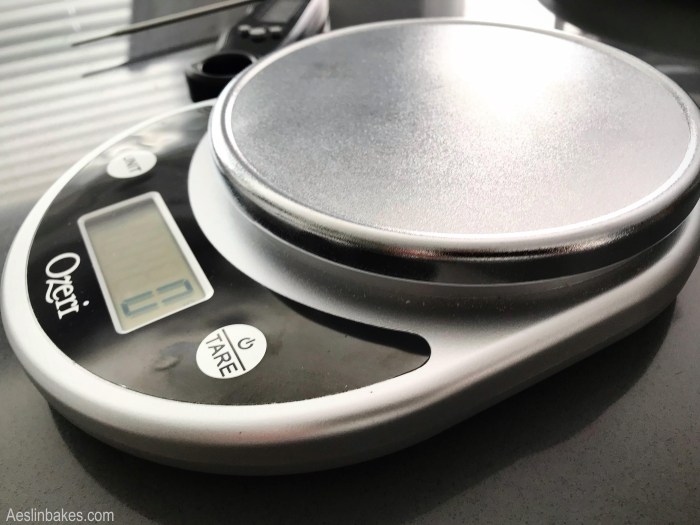
1) Use a scale for consistent baking.
– While I sometimes find using volume measures more convenient, weight measures will give more accurate and consistent results. So if you bake regularly, you really should get a scale. (Preferably one that reads ounces and grams.)

2) Make sure the tangzhong is cooled.
– It is important the tangzhong is cooled before adding it to your bread mixture. If your tangzhong is too hot, it may damage the yeast.


3) Make sure your butter is softened.
– Butter will incorporate into the dough best when softened. Allow cold butter to sit out for at least 30 minutes to soften, or until you can press it with your finger and it will give beneath light pressure.
– To soften butter quickly: I usually cut my cold butter into thin pats or small cubes. Then after a few minutes, I mash the butter with the flat side of a knife or the back of a spoon until it becomes smooth and spreadable.


4) Be sure your yeast is active.
– Yeast must be active for bread to rise. You know your yeast is alive and active if it becomes foamy when dissolved in warm water between 100°F (38°C) and 110°F (49°C) with a little sugar stirred in.
- If the yeast doesn’t become foamy within 10 minutes, throw it out and try again.
- After your yeast has been activated, don’t let it sit too long or else the yeast will be less effective.

5) Knead until smooth and elastic.
– Proper kneading is necessary for bread dough to bake into the lightest, fluffiest, well-shaped loaves. Even though brioche dough is very soft, it should still be smooth and elastic enough to be stretched until light can shine through without tearing (the windowpane test).
- This brioche dough is not like typical bread dough. It may seem more batter-like rather than doughy. But when kneaded enough, it can still be stretched into a thin, translucent membrane.

If your dough didn’t pass the windowpane test:
– If you have kneaded for the allotted time but your dough is not passing the windowpane test, don’t stress.
- Rest your dough for 10 minutes (and up to 30 minutes) then test again. (It’s amazing what a little rest can do for dough’s smoothness and elasticity.)
- If the dough is still not smooth and elastic, knead for 3 minutes and then re-test.
- Repeat, if needed, until the dough passes the windowpane test.


Do not over-knead:
- If you start to feel the dough becoming firm and less stretchy, stop kneading or else you risk over-kneading your dough. Over-kneaded dough will become dry and dense with a hard crust.
Do not add flour:
- Brioche dough is very soft and sticky. That’s how it should be. Don’t add any extra flour. That will just weigh down your brioche. The dough will be firmer and much easier to work with after a night in the refrigerator. (It will also taste better, so don’t skip the overnight rest.)


6) How to shape your loaves:
– There are many ways to shape your loaves. Layering and coiling the dough makes loaves that are light and feathery, but still structured enough for sandwiches.
- Feel free to dust the counter, the rolling pin and the dough with flour while rolling out to keep this soft dough from from sticking.
- Roll the dough gently without much pressure. That will also help with the sticking.


- Divide the dough into 6 equal portions.
- Make each portion into a ball and then let rest for about 20 minutes.
- Roll one of the dough balls out into a wide oval, about 8 or 9-inches wide..
- Fold the sides of the oval into the middle to get 3 layers and then flatten with the rolling pin.
- Roll the dough up into a snug cylinder, pinch the seams and place into greased baking pans, seam-side down.

7) Want perfectly square slices of brioche? Use a Pullman loaf pan.


- A Pullman loaf pan is a tall bread loaf pan with a lid. The lid compresses the top of the bread during baking, making a perfectly square loaf with a thin crust. (Perfect for sandwiches and french toast.)


8) When is the dough ready for baking?


- When you poke the dough, the indentation from your finger bounces back only half-way.
- The dough has risen to about an inch above the top of an 8×4-inch loaf pan.
- The dough has risen three-quarters of the way to the top of a 9×4-inch Pullman pan.
9) Baking times vary. (Get an instant-read thermometer!)
– Ovens vary, so the baking times given are just estimates. It may take more or less time for your bread to bake, so it’s always good to check early and check often.
– Instant-read thermometers are the most reliable way to check for doneness. Bread is done baking when the internal temperature reaches 190°F (88°C).

– But if you do not have an instant-read thermometer, try tapping the bottom of the loaf. If it sounds hollow, it is done.
10) Remove the baked bread from the pan immediately to avoid misshapen bread.
– It’s important, upon taking the bread out of the oven, to give the pan a firm tap on the counter and then immediately remove the bread from the pan onto a cooling rack. (Lay a kitchen towel on the counter to protect it from the hot pan.) If the bread is left in the pan, the bread may become misshapen.


- The perfectly square loaf of Japanese Milk Bread on the left was given a firm tap on the counter and then removed from the pan immediately. The loaf on the right was left to cool in the pan for 10 minutes and developed a bit of a “waist’.
*****


*****
Related Recipes
Light & Crispy Liege Waffles


Soft Cinnamon Rolls (Tangzhong)

Hotdog Buns (Tangzhong)

And the addition of tangzhong will help keep your hotdog buns soft and fluffy for days.
Japanese Milk Bread

Click here for more BREADS recipes!
–
–
–
–
Soft and Airy Brioche
Ads